Master SEO Guide 2026 - Complete Tutorial
⬅ Go Back

Search Engine Optimization - Complete Guide


SEO

1. What is SEO?

As we know that SEO means Search Engine Optimization but why is this important have you ever notice?

When we talk about engines, the first thing that comes to our mind is "Google". Yes "Google" is also part of search engine but Do you know what the first search engine was? "Archie" was invented on 10 September 1990.
Archi was the first FTP ("File Transfer Protocol" is a method to upload, download, and manage website files on a server using tools like FileZilla with secure login access) website Created by Alan Emtage, Bill Heelan and J.peter Deutsh, Computer Science Students At McGill University in Montreal, Quebec, Canada.

When did the idea of SEO come?

SEO, which stands for Search Engine Optimization, is a term that originated in the mid-1990s as there was an explosion on the internet at that time and several search engines such as Yahoo and AltaVista became available. The reason behind this is that during this period, it was recognized by the website developers that creating a website alone was not sufficient.

Search optimization was entirely revolutionized by the emergence of Google in 1998. Google aimed to provide users with the highest quality information through ranking algorithms such as backlinks, good quality content, and user intent. SEO became very significant in helping companies optimize their websites to ensure that they appeared in the top search pages. Search Engine Optimization has become vital in modern-day marketing campaigns. The components of search optimization include on-page SEO, off-page SEO, and technical SEO. Irrespective of whether you operate a blog, ecommerce site, or services such as the best digital marketing course in jodhpur, SEO can help you achieve your targets effectively.

Popular Search Engines

  • Google.com
  • Yahoo.com
  • Bing.com
  • DuckDuckGo.com
  • Baidu.com
  • Yandex.com
  • Ask.com
Search Engine

2. How Search Engines Work

Earlier I used to feel that whenever I used to search something in Google or any search engine, like if I searched for Jodhpur famous places or Jodhpur best restaurant, then Google goes to the website and it searches and gives me the result. Did you also feel like this?
But the reality is When you search for something, which we call a keyword, Google plays its special role first. So let us understand one by one step how the search engine works.

Crawl

One of the key concepts in SEO is crawling. Every time you make a search request using Google or any other search engine, an operation called crawling is performed. Crawling means a process during which special programs (bots or spiders) used by search engines analyze websites available on the Internet. Google, for example, uses its own Googlebot to crawl different web sites.
The program analyzes all the data that is found in the webpage, including texts, photos, and other objects, following links from one page to another. This is done continuously; that is, bots constantly visit different websites looking for new information. If crawling isn't optimized and search engine bots cannot easily crawl your website, there is little chance that your website will be indexed or ranked in search engine results.
To optimize crawling, create a sitemap, use your robots.txt file correctly, fix all your dead links.To put it simply, crawling is the first thing that needs to be done in order to allow search engines to find your website.

Indexing

The next important stage in SEO process is indexing. This stage comes right after crawling. As soon as search engine bots crawled and scanned your website, the information is saved and arranged into an enormous database called index. After Googlebot analyzes your web pages (content, images, keywords, structure), it decides whether it is valuable and worthy of indexing for Google's index. In case it is decided that the webpage can be indexed, it will become available to appear on search engine results pages. However, not every webpage gets into the index. It may happen if the content is low-quality, duplicated, and excluded from indexing using a robots.txt file. So, it is vital to make sure that you create unique and high-quality content and follow SEO rules. Some ways of improving indexing include adding your sitemap to Google Search Console, using correct meta tags, as well as making your website mobile-friendly and fast. To conclude, indexing is an important process of storing the information about the website in order for it to be found on search engines. If there is no indexing of your website, it will never be seen by any other person on the Internet.

What is Ranking in SEO?

Ranking in SEO is the process of positioning your website on search engine results pages (SERPs) like Google. When a user searches for a keyword, Google displays a list of web pages in a specific order. This order is called ranking. The higher your website appears, the more traffic it receives.

In simple terms, ranking determines your visibility on Google. If your website appears on the first page—especially in the top results—you have a much higher chance of getting clicks, visitors, and conversions.

Why Ranking is Important in SEO

Ranking plays a crucial role in SEO success. Even if you create a high-quality website, it will not generate traffic if it does not appear on the first page of search results. Most users do not go beyond the first page, which makes ranking extremely important.

  • Increased organic traffic
  • Better brand visibility
  • Higher credibility and trust
  • More leads and revenue opportunities

How Google Ranking Works

Relevance (Keyword Optimization)

Your content should match the search intent of users. Proper keyword placement helps search engines understand your page.

Content Quality

High-quality, original, and informative content ranks better. Content should provide value and solve user queries.

Backlinks (Authority)

Backlinks from trusted websites increase your site’s authority and improve ranking.

User Experience (UX)

Fast loading speed, mobile responsiveness, and easy navigation are essential for better ranking.

On-Page SEO

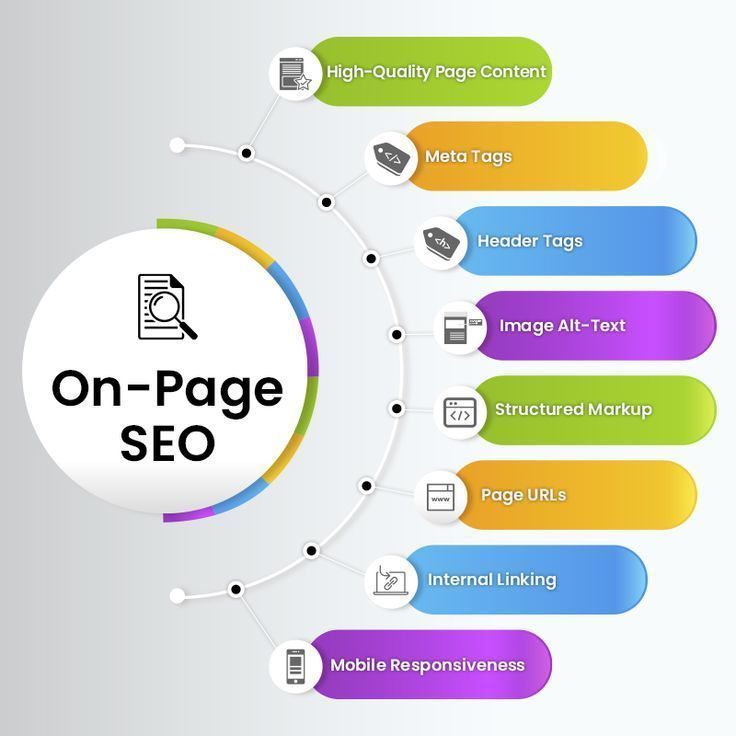
Using proper headings, meta tags, internal linking, and structured content improves SEO performance.

Top SEO Ranking Factors

Keyword Research

Choose keywords with good search volume and manageable competition. Long-tail keywords are more effective for ranking.

High-Quality Content

Create detailed and useful content that answers user questions clearly.

On-Page Optimization

Include keywords in titles, headings, URLs, and meta descriptions.

Backlink Building

Get backlinks from relevant and authoritative websites.

Technical SEO

Ensure your website is fast, secure, and free from errors.

How to Rank #1 on Google

Step 1: Find the Right Keywords

Use keyword research tools to identify low-competition and high-search keywords.

Step 2: Create SEO-Friendly Content

Write unique, informative, and well-structured articles.

Step 3: Optimize On-Page SEO

Use proper headings, internal links, and keyword placement.

Step 4: Build Backlinks

Promote your content through blogs, social media, and guest posting.

Step 5: Improve Website Speed

Optimize images, reduce unnecessary scripts, and use fast hosting.

Step 6: Use Google Search Console

Submit your sitemap and monitor performance.

Common SEO Mistakes to Avoid

  • Keyword stuffing
  • Duplicate content
  • Ignoring mobile optimization
  • Low-quality backlinks
  • Slow website performance

Pro Tips to Improve Ranking

  • Update content regularly
  • Use internal linking effectively
  • Add relevant FAQs
  • Focus on user intent
  • Create long-form content

Conclusion

Ranking is a critical part of SEO as it directly impacts your website’s visibility and traffic. Without proper ranking, even high-quality content may not reach users.

To achieve better ranking, focus on content quality, keyword optimization, backlinks, and user experience. SEO requires consistency and long-term effort.

Crawling discovers your website, indexing stores your website, and ranking displays your website to users.

Keyword Research

3. Keyword Research

SEO Keyword Research: Why It Actually Matters

SEO keyword research is basically the starting point of any successful blog or website. Without knowing what people are searching for, you are just guessing your content. When you use the right keywords, your content reaches the right audience at the right time. That’s what actually brings traffic, not just writing randomly.

What is SEO Keyword Research?

In simple words, keyword research means finding out what users type on Google when they need something. It could be a question, a product, or even a problem they want to solve. Once you know these terms, you can create content around them. This makes your content more useful and search-friendly.

Why Keyword Research is Important

Most beginners skip keyword research and directly start writing content. That’s where they go wrong. If nobody is searching for your topic, your content won’t get traffic no matter how good it is. Keyword research fixes this problem by connecting your content with real search demand.

  • Helps you understand what people actually want
  • Improves your chances of ranking on Google
  • Brings more targeted visitors to your site
  • Increases chances of conversions or sales

Types of Keywords

Not all keywords are the same. Some are broad, some are very specific, and each type works differently in SEO. If you mix them properly, your content strategy becomes much stronger.

Short-tail Keywords

These are short and general keywords like “shoes” or “laptop”. They have huge search volume but also very high competition. New websites usually struggle to rank for them. Still, they are useful for understanding broad topics.

Long-tail Keywords

These are longer and more specific phrases like “best running shoes for beginners under 3000”. They don’t get massive traffic, but the people searching them are more serious. That means better chances of ranking and conversions.

Transactional Keywords

These keywords show buying intent. For example, “buy iPhone 14 online” or “cheap mobile offers”. If you are running an eCommerce site, these keywords are very valuable because they directly bring customers.

Informational Keywords

These are used when people want to learn something, like “how to lose weight” or “what is SEO”. Blogs mostly target these keywords because they help in building authority and traffic over time.

How to Do Keyword Research

Keyword research is not just about tools. It’s also about thinking from the user’s perspective. What would you search if you had that problem? That mindset helps you find better keywords.

Step 1: Start with Ideas

First, write down basic topics related to your niche. Think about problems, questions, or interests your audience might have. This gives you a starting point.

Step 2: Use Tools

Tools like Google Keyword Planner or Ubersuggest help you find real data. You can see how many people are searching for a keyword and how tough it is to rank.

Step 3: Understand Search Intent

Every keyword has a purpose behind it. Some users want information, some want to compare, and some want to buy. If you understand this intent, your content becomes much more effective.

Step 4: Check Competition

Don’t blindly target high competition keywords. Instead, look for keywords where you actually have a chance to rank. Especially if your website is new.

Step 5: Learn from Competitors

Check what keywords your competitors are using. This gives you ideas and also shows gaps you can target. Sometimes you find easy keywords they are ignoring.

Good Practices for Keyword Research

A good keyword strategy is not about stuffing keywords everywhere. It’s about using them naturally and focusing on value. If your content helps users, rankings follow automatically.

  • Always focus on user intent first
  • Mix short-tail and long-tail keywords
  • Don’t overuse keywords in content
  • Update your keyword list regularly

Common Mistakes

Many people think more keywords mean better ranking, but that’s wrong. Over-optimization can actually hurt your SEO. The goal is to keep content natural and helpful.

  • Targeting only high-competition keywords
  • Ignoring what users actually want
  • Copying competitors blindly
  • Keyword stuffing

Conclusion

SEO keyword research is not complicated, but it needs patience and practice. Once you understand your audience and choose the right keywords, everything else becomes easier. Good keywords + useful content = long-term SEO success.

On Page SEO

4. On-Page SEO

On-Page SEO is the art of shaping a web page so that it speaks clearly to both users and search engines. It focuses on clarity, structure, and usefulness rather than tricks. A well-optimized page answers queries quickly and keeps visitors engaged. This creates a strong foundation for long-term organic growth.

Aim

The aim of On-Page SEO is to match user intent with the right content in the simplest way possible. It ensures that every element on the page supports better understanding and visibility. The goal is not just ranking, but meaningful traffic. When done right, it brings the right audience to the right page.

Tools

On-Page SEO tools help analyze content quality, keyword usage, and technical performance. They guide improvements in speed, readability, and structure. These tools act like a mirror, showing what needs to be fixed or enhanced. Using them wisely can save time and boost efficiency.

Below are commonly used On-Page SEO tools that help in optimizing content, performance, and structure:

  • Google Search Console
  • Google Analytics
  • Google Keyword Planner
  • Ahrefs
  • SEMrush
  • Ubersuggest
  • Moz Pro
  • Screaming Frog SEO Spider
  • Yoast SEO (WordPress)
  • Rank Math SEO
  • Surfer SEO
  • PageSpeed Insights
  • GTmetrix
  • Pingdom Website Speed Test
  • AnswerThePublic
  • Keyword Tool.io
  • Canva (for image optimization)
  • TinyPNG (image compression)
  • Grammarly (content readability)
  • Hemingway Editor

Purpose

The purpose of On-Page SEO is to create a smooth and helpful experience for visitors. It ensures that users find value without confusion or delay. At the same time, it helps search engines understand and rank the content properly. This balance is key to sustainable success.

Benefits

On-Page SEO improves visibility, attracts quality traffic, and increases user engagement. It builds trust by offering clear and valuable information. Over time, it supports consistent growth without relying on paid promotions. Strong optimization also enhances overall website performance.

Conclusion

On-Page SEO is not just a technical checklist, but a continuous process of improving how your content connects with both users and search engines. It starts with understanding what people are actually searching for and then creating content that answers their questions in a simple and clear way. Every element on your page, such as titles, headings, images, and internal links, plays an important role in building a better user experience. When all these elements are properly optimized, your website becomes more useful, faster, and easier to understand.
Consistency is one of the most important factors in On-Page SEO. You cannot expect results from optimizing just one page. Regular updates, improving old content, and maintaining quality across your website help build trust and authority over time. Search engines prefer websites that are active, relevant, and helpful. Even small improvements like fixing errors, improving readability, or updating keywords can lead to better performance.
In the end, On-Page SEO is about creating value. Instead of focusing only on rankings, focus on helping your audience. When your content genuinely solves problems and provides clear information, search engines will automatically recognize its quality. This approach not only improves rankings but also builds long-term growth, credibility, and a strong online presence. .

Backlinks

5. Off-Page SEO (Backlinks)

Off-Page SEO is the process of building your website’s reputation outside your own pages. It focuses on how others see, share, and mention your content across the internet. Instead of changing your website directly, it strengthens your authority through external signals. A strong off-page presence makes your site more trustworthy in the eyes of search engines.

Aim

The aim of Off-Page SEO is to increase credibility and visibility beyond your website. It connects your content with a wider audience through links, mentions, and engagement. The focus is not just on quantity but on meaningful connections. When done correctly, it brings genuine attention and long-term growth.

Tools

Off-Page SEO tools help in tracking backlinks, analyzing competitors, and finding outreach opportunities. They show how your website is performing outside your domain. These tools guide your strategy and help you avoid low-quality links. Using them smartly improves efficiency and results.

  • Google Search Console
  • Ahrefs
  • SEMrush
  • Moz Link Explorer
  • Ubersuggest
  • Majestic SEO
  • BuzzSumo
  • Hunter.io
  • Pitchbox
  • HARO (Help a Reporter Out)
  • Monitor Backlinks
  • Linkody
  • NinjaOutreach
  • Brand24

Purpose

The purpose of Off-Page SEO is to build trust and authority across the web. It shows search engines that your content is valuable and worth referencing. When other websites link to you, it acts like a vote of confidence. This improves your chances of ranking higher.

Benefits

Off-Page SEO helps increase domain authority and brings referral traffic from other platforms. It builds brand awareness and improves credibility over time. It also supports better rankings by strengthening your website’s trust signals. Overall, it expands your online reach.

Conclusion

Off-Page SEO is a long-term process focused on building reputation and relationships online. It is not about creating random links but earning genuine mentions from trusted sources. Consistent efforts like outreach, content sharing, and engagement help in building authority naturally. When combined with strong on-page strategies, it creates a powerful system for sustainable growth, better rankings, and a reliable online presence.