2. How Search Engines Work
Earlier I used to feel that whenever I used to search something in Google or any search engine, like if I searched for Jodhpur famous places or Jodhpur best restaurant, then Google goes to the website and it searches and gives me the result. Did you also feel like this?
But the reality is When you search for something, which we call a keyword, Google plays its special role first. So let us understand one by one step how the search engine works.
Crawl
One of the key concepts in SEO is crawling. Every time you make a search request using Google or any other search engine, an operation called crawling is performed. Crawling means a process during which special programs (bots or spiders) used by search engines analyze websites available on the Internet. Google, for example, uses its own Googlebot to crawl different web sites.
The program analyzes all the data that is found in the webpage, including texts, photos, and other objects, following links from one page to another. This is done continuously; that is, bots constantly visit different websites looking for new information. If crawling isn't optimized and search engine bots cannot easily crawl your website, there is little chance that your website will be indexed or ranked in search engine results.
To optimize crawling, create a sitemap, use your robots.txt file correctly, fix all your dead links.To put it simply, crawling is the first thing that needs to be done in order to allow search engines to find your website.
Indexing
The next important stage in SEO process is indexing. This stage comes right after crawling. As soon as search engine bots crawled and scanned your website, the information is saved and arranged into an enormous database called index. After Googlebot analyzes your web pages (content, images, keywords, structure), it decides whether it is valuable and worthy of indexing for Google's index. In case it is decided that the webpage can be indexed, it will become available to appear on search engine results pages. However, not every webpage gets into the index. It may happen if the content is low-quality, duplicated, and excluded from indexing using a robots.txt file. So, it is vital to make sure that you create unique and high-quality content and follow SEO rules. Some ways of improving indexing include adding your sitemap to Google Search Console, using correct meta tags, as well as making your website mobile-friendly and fast. To conclude, indexing is an important process of storing the information about the website in order for it to be found on search engines. If there is no indexing of your website, it will never be seen by any other person on the Internet.
What is Ranking in SEO?
Ranking in SEO is the process of positioning your website on search engine results pages (SERPs) like Google. When a user searches for a keyword, Google displays a list of web pages in a specific order. This order is called ranking. The higher your website appears, the more traffic it receives.
In simple terms, ranking determines your visibility on Google. If your website appears on the first page—especially in the top results—you have a much higher chance of getting clicks, visitors, and conversions.
Why Ranking is Important in SEO
Ranking plays a crucial role in SEO success. Even if you create a high-quality website, it will not generate traffic if it does not appear on the first page of search results. Most users do not go beyond the first page, which makes ranking extremely important.
- Increased organic traffic
- Better brand visibility
- Higher credibility and trust
- More leads and revenue opportunities
How Google Ranking Works
Relevance (Keyword Optimization)
Your content should match the search intent of users. Proper keyword placement helps search engines understand your page.
Content Quality
High-quality, original, and informative content ranks better. Content should provide value and solve user queries.
Backlinks (Authority)
Backlinks from trusted websites increase your site’s authority and improve ranking.
User Experience (UX)
Fast loading speed, mobile responsiveness, and easy navigation are essential for better ranking.
On-Page SEO
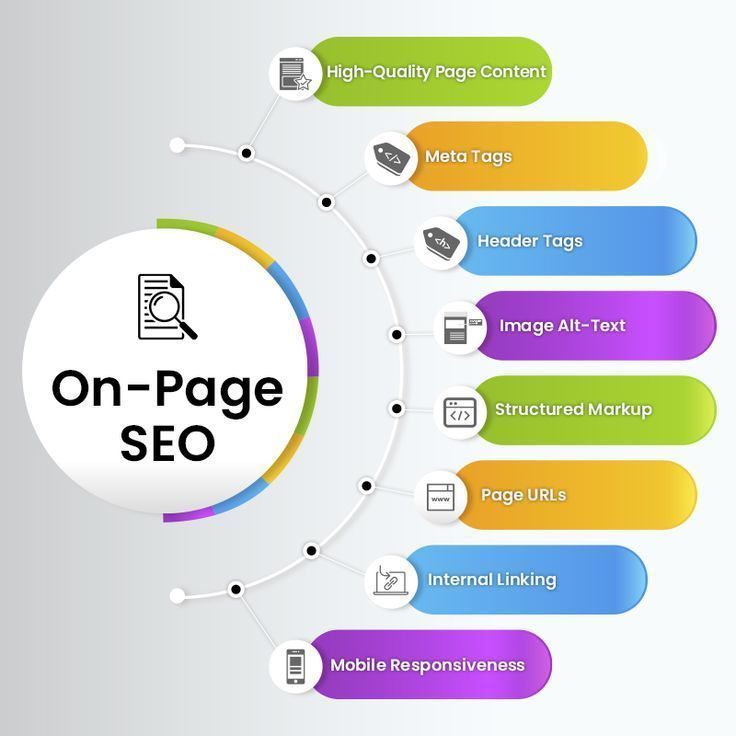
Using proper headings, meta tags, internal linking, and structured content improves SEO performance.
Top SEO Ranking Factors
Keyword Research
Choose keywords with good search volume and manageable competition. Long-tail keywords are more effective for ranking.
High-Quality Content
Create detailed and useful content that answers user questions clearly.
On-Page Optimization
Include keywords in titles, headings, URLs, and meta descriptions.
Backlink Building
Get backlinks from relevant and authoritative websites.
Technical SEO
Ensure your website is fast, secure, and free from errors.
How to Rank #1 on Google
Step 1: Find the Right Keywords
Use keyword research tools to identify low-competition and high-search keywords.
Step 2: Create SEO-Friendly Content
Write unique, informative, and well-structured articles.
Step 3: Optimize On-Page SEO
Use proper headings, internal links, and keyword placement.
Step 4: Build Backlinks
Promote your content through blogs, social media, and guest posting.
Step 5: Improve Website Speed
Optimize images, reduce unnecessary scripts, and use fast hosting.
Step 6: Use Google Search Console
Submit your sitemap and monitor performance.
Common SEO Mistakes to Avoid
- Keyword stuffing
- Duplicate content
- Ignoring mobile optimization
- Low-quality backlinks
- Slow website performance
Pro Tips to Improve Ranking
- Update content regularly
- Use internal linking effectively
- Add relevant FAQs
- Focus on user intent
- Create long-form content
Conclusion
Ranking is a critical part of SEO as it directly impacts your website’s visibility and traffic. Without proper ranking, even high-quality content may not reach users.
To achieve better ranking, focus on content quality, keyword optimization, backlinks, and user experience. SEO requires consistency and long-term effort.
Crawling discovers your website, indexing stores your website, and ranking displays your website to users.